

 Written by Amanda Jewson, MSW, RSW, Registered Social Worker and CBT for Insomnia therapist
What we covered
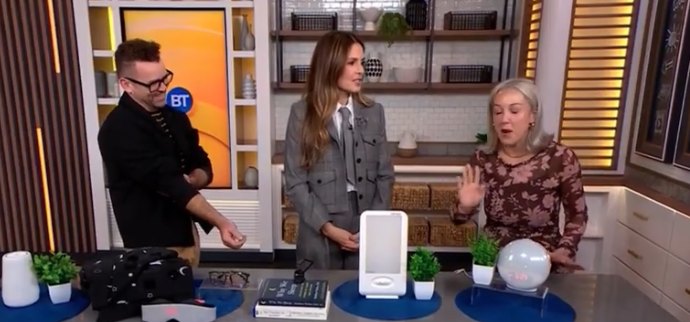
Shorter days and longer nights leave a lot of us groggy and out of sync. Light is one of the strongest signals our body clock uses, so using it well can help both sleep and daytime energy.
- Mornings: a sunrise alarm clock. It brightens gradually like a real sunrise, so you wake from a lighter stage of sleep instead of a jolt.
- Midday: a light therapy lamp. Bright light exposure can lift mood in the darker months, and light therapy is a common treatment for seasonal affective disorder. Sessions of about 20 minutes with the light in front of you are a good place to start.
- Evenings: a red reading light. The evidence that red light boosts melatonin is still early, but it is a sleep friendly alternative to a bright lamp or phone at bedtime.
- Screens: blue blocking glasses. They reduce, not eliminate, the blue light that tells your brain it is daytime. Pair them with a dimmer screen in the hour before bed.
- For kids: an okay to wake light. Set to warm red or orange overnight, it helps early risers know when it is time to get up, which is handy around the time change.
If city lights or street lamps are part of the problem, a sleep mask or blackout blinds can help too.
Want help with your own sleep? Book a free discovery call and we’ll talk about what’s getting in the way.
Struggling with sleep or anxiety?
I offer virtual therapy for adults in Ontario, BC, Alberta, Manitoba and Nova Scotia, with a specialty in CBT for Insomnia. Book a free 20 minute discovery call to see if we're a good fit.
Book a free discovery callAbout Amanda Jewson, MSW, RSW. Amanda is a Registered Social Worker trained in CBT for Insomnia, CBT, ACT and ERP. She has helped families with sleep for over 10 years, is a Medical Sleep Advisor for BabyCenter and appears regularly on Canadian TV. More about Amanda